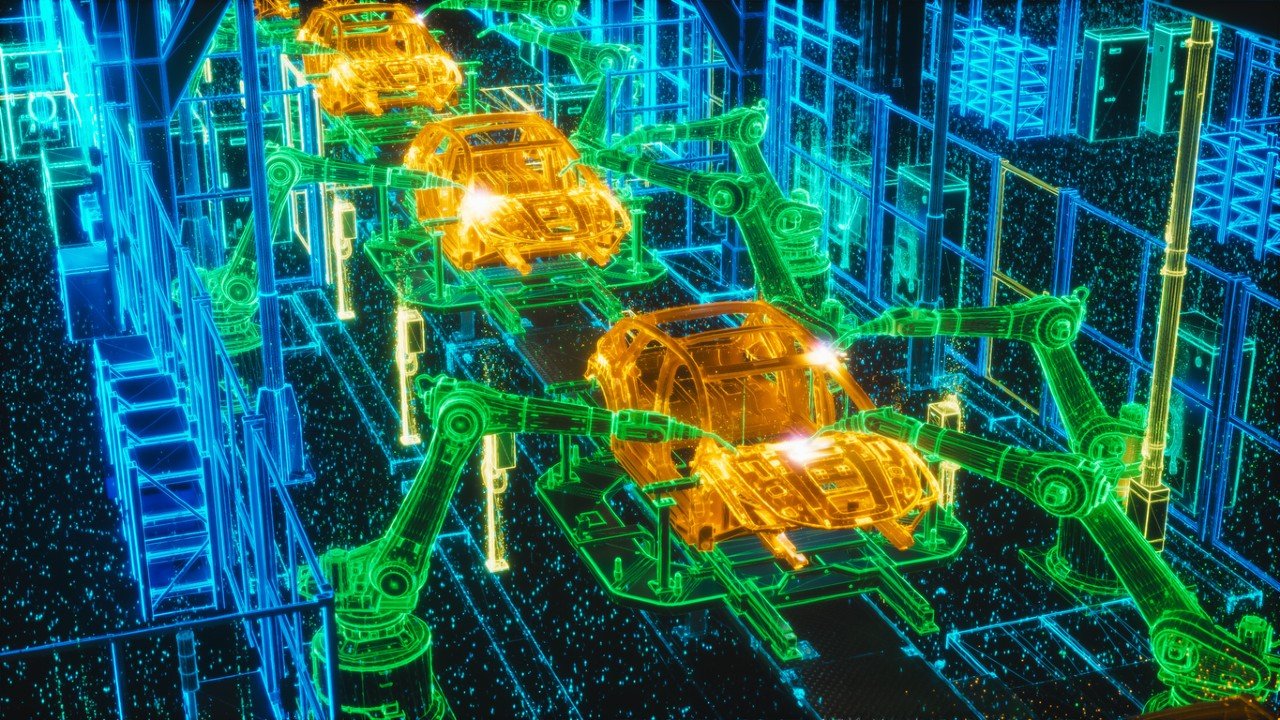
Digital twins are transforming factories. By creating live virtual mirrors of machines and processes, manufacturers can spot inefficiencies and speed product development. However, this connection between the physical and digital also widens the attack surface.
This technology can expose operational technology and supply chain data, facilitating new cyber risks. Left unchecked, breaches can occur, resulting in costly downtime and intellectual property theft. Understanding how these risks manifest in systems and which defenses are most critical is essential to maintaining secure operations.
The Benefits and Risks of Digital Twins
Digital twins speed smarter decisions on the factory floor. They let teams test changes virtually, tune processes and enable more predictive strategies. These moves reduce unplanned downtime and shrink development cycles. Approximately 29% of manufacturing organizations worldwide have fully or partially adopted the technology. Many users often report more uptime and cost gains after deployment.
However, the data linkup between sensors, control systems, cloud analytics and third-party services can create new security threats. When operational technology and IT are tightly coupled, attackers can pivot from breached software to steal information or disrupt critical systems, including supply chains and safety systems.
Key Security Risks of Digital Twins in Manufacturing
Digital twins bring big efficiency wins, but they also concentrate new points of failure across models and networks. Below are the four security risks that most often threaten manufacturing deployments and why they matter in operational settings.
1. Data Manipulation
When the data feeding the models is skewed, the twin’s decisions fall off track. Malicious actors can intercept or alter sensor readings and model inputs, causing the virtual replica to display a false state. That change can lead operators to run equipment outside safe limits or produce defective parts, resulting in revenue loss and increased safety risks. It also erodes trust in automated systems.
A similar occurrence took place in 2021, when an attacker gained remote access to an operator workstation at a U.S. water treatment facility. It came close to wreaking havoc by attempting to raise sodium hydroxide levels in the plant’s Human-Machine Interface (HMI). Fortunately, an operator noticed the levels being changed in time, but this manipulation could have had devastating consequences for public health.
2. Intellectual Property Theft and Data Espionage
Digital twins often become a single source of information for product designs, process recipes and operational know-how. This vast information makes them a rich target for espionage. If an attacker gains access to those models, a company can lose months or years of Research and Development or face counterfeit products.
A typical breach might begin with a compromised cloud account or a vulnerable vendor connection and expose simulation outputs. A competitor may then use those files to shortcut product development, creating an edge for the organization in the market.
3. Expanded Attack Surface With IoT Connection
IoT-connected devices and edge controllers increase the number of potential entry points for attackers into a plant. Each sensor added to a twin deployment is another potential weak link, as many of these devices run outdated firmware or use default credentials. These vulnerabilities allow attackers to gain a foothold that they can use to move laterally across networks.
4. Disruption of Operations via Denial of Service (DoS)
A twin is only useful when it is available and up to date. Otherwise, attackers can make it or its supporting services unreachable, causing operators to lose visibility and control. A denial-of-service (DoS) event prevents engineers from seeing live telemetry. They may also trigger false alarms or block automated control loops, forcing slower processes or full production shutdowns.
Attackers achieve this by flooding a twin’s cloud API or the plant’s gateway with traffic so dashboards, alerts and model updates stop working. According to IBM, 15% of organizations reported a cybersecurity incident that affected their operational technology (OT) environment. Incidents that occurred cost an average of $4.56 million.
With monitoring blind or update paths severed, engineers may be forced to halt lines to avoid unsafe conditions. Therefore, a network outage can turn into a severe operational and financial loss.
The Role of AI in Securing Manufacturing
Artificial intelligence (AI) is becoming the most realistic way to manage the alerts generated by modern manufacturing systems. Research estimates that only about 10% of security alerts are thoroughly vetted, leaving a significant security gap that attackers can exploit. Instead of relying on human analysts to chase every warning, AI-powered tools can analyze control systems and data from sensors and surface events, where teams are needed.
Beyond triage, AI also bridges the IT-OT divide by translating operational readings into a contextually actionable security framework. Machine learning models (MLMs) can spot the slightest deviations in sensor patterns and flag high-risk cases. These systems close much of the vetting gap and make monitoring scalable, continuous and far more dependable.
Other Actionable Strategies to Mitigate Digital Twin Security Risks
Addressing security risks even further with the following strategies:
- Ensuring data integrity: To protect the information fed into a twin, security teams must encrypt it in transit and at rest. Enforce strong access controls and multi-factor authentication (MFA) for all accounts that interact with sensors or models. MFA reduces the risk of account compromise by 99.22%, so it is applied to keep unauthorized access to a minimum.
- Protecting intellectual property: Limit who can view or export design files with least-privilege policies and role-based access. Data loss prevention (DLP) and strong authentication tools are crucial for preventing unauthorized exports.
- Securing the expanded attack surface: Keep inventory of every device and enforce secure provisioning with unique credentials, device certificates and a secure boot. Then segment networks so IoT gear cannot freely reach critical control systems. With continuous vulnerability scanning, manufacturers can reduce the chance that one compromised device becomes an operational-wide problem.
- Ensuring availability and resilience: Design for outages so a disrupted twin does not automatically equal a halted plant. Build redundancies for model hosting and data ingestion and keep procedures offline for operators to work safely during outages.
Secure the Promise of Digital Twins
Digital twins are revolutionizing manufacturing, but they also create new risks across networks and devices. Layered defenses enable teams to retain operational benefits while reducing their attack surface. Prioritize the highest-risk assets and test response plans. Implementing the proper steps prevents outages, ensuring continuous business operations for success.

Author: Zac Amos
Zac Amos is the Features Editor at ReHack Magazine, where he covers industrial technology, cybersecurity, and artificial intelligence. His insights have been featured on publications like VentureBeat, the International Society of Automation (ISA), Industrial Machinery Digest, and more.