
Podcast (industry-next): Play in new window
Subscribe: Apple Podcasts | Spotify | RSS
Chris Luecke built Manufacturing Happy Hour from an iPhone on a selfie stick into a podcast, community, and national event series over 10 years and more than 300 episodes. In this conversation with Danny Gonzales, he explains why the real saturation point for manufacturing content is the moment AI output becomes indistinguishable from human work, why AI avatars risk becoming an excuse to stay invisible, and why he is answering a crowded feed by doubling down on live events. He also shares the most under-reported workforce trend he has found from touring the country, and the single question that tells a leader whether their culture is working.
Chris Luecke is the founder and host of Manufacturing Happy Hour, a podcast, community, and live event series now in its tenth year with more than 300 episodes. He spent a decade at Rockwell Automation, where he began recording short videos on his phone as a side project while working in automation sales, before leaving to build the platform full time. Based in Milwaukee, he is currently running a multi-city tour marking the show's 10-year anniversary, with dates extending into 2027.
Episode Breakdown
Chris Luecke started Manufacturing Happy Hour with an iPhone propped on a selfie stick, held in place by four stacks of books. Ten years and more than 300 episodes later, he has built one of the most recognizable platforms in industrial media. His warning for manufacturing leaders in 2026 is not that AI will flood the feed with content. It is that AI will hand people one more reason to stay out of it.
The Saturation Point Arrives When AI Gets Good Enough
Ask Chris Luecke whether manufacturing content has hit saturation and the answer is yes, but not yet. As he puts it, he does not think we have reached the point where there is simply too much content. What tips the balance is not volume. It is indistinguishability. Saturation arrives, in his framing, when artificial intelligence gets good enough that you cannot tell the difference between what he made and what a model made.
That puts a clock on a specific kind of content. Recording in May 2026, Luecke admitted he can no longer tell the AI vendors apart, because every one of them is talking about agents and being AI-enabled. The companies blur together. The people do not. He can still name the individuals whose perspectives he remembers, and many of them represent those same companies.
For a manufacturing marketing leader, the implication is uncomfortable but clear. Paraphrasing the category talking points is the fastest route to invisibility. Share the perspective only your operation can produce, or accept that a model will produce a competent version of your message on someone else’s behalf.
Are You Using AI to Hide?
Luecke does not need an AI avatar, as he puts it, because he already is his own avatar with an established personal brand. His concern is what avatars do for everyone else. The worry is that people reach for one as a reason not to put themselves out there, and that the tool quietly widens the gap between leaders who have a voice in the industry and leaders who do not.
He is not an AI skeptic. He uses it for show notes, for episode titles, and for generating the three thumbnail and title variants that YouTube lets creators A/B test. What he protects is narrow and deliberate: his voice and his tour art. He also refuses to let AI write his interview questions, on the logic that a model retrieves what already exists while a good question has to be something genuinely new. The cleanest version of the rule comes from Richard Barnhouse of Waukesha County Technical College, quoted from episode 265 of Luecke’s own show. Apply AI to the things you hate.
The practical unlock here is a reframe of risk. Leaders hesitate to post because they imagine saying the wrong thing to a hundred thousand people. Luecke points out the math does not work that way. You could publish the best thing you have ever made and it still will not go viral. Early content reaches almost nobody, which makes it the safest possible place to experiment. He extends the same logic to the people who manage brand. When a salesperson starts posting on their own initiative, correcting them is the wrong first move. Tell them you liked the post, give them the terminology you would rather they use, and ask them to apply it next time. The post itself disappears into the algorithm within a week. What compounds is whether that person keeps going.
Everyone Is Fighting the Same Talent Battle
Asked for the most under-reported trend he sees, Luecke skipped the standard workforce lines and offered something he could only have learned by touring. After live podcasts everywhere from central Wisconsin to California’s Central Valley to Boston, he noticed the same complaint in every market. Rural manufacturers lose people who want the big city. Central Valley manufacturers lose people to the Bay Area and Los Angeles. Ask the same question in New York or San Francisco and the answer is that it is too expensive and people want out. Everyone is fighting a talent issue, and everyone is fighting to keep talent in their region.
Which is where his definition of culture earns its place, because it is the most testable one in the episode. Forget ping pong tables and free lunch. Culture comes down to whether your employees spend their weekend complaining about the job to their friends, or telling those friends things are actually pretty good right now. Your brand is what people say when you are not in the room. Culture is what your people say at the barbecue.
His answer to a saturated feed follows the same instinct. As digital gets noisier, Luecke is deliberately doubling down on the part of his business that cannot be generated: live events and community. When one channel weakens, another one strengthens to counterbalance it, and he is betting that a room full of people is the channel that appreciates.
LinkedIn is the best place to reach Chris Luecke. He is active daily in the manufacturing community and regularly engages with the operators, marketers, and founders who follow Manufacturing Happy Hour. Connect with Chris on LinkedIn →
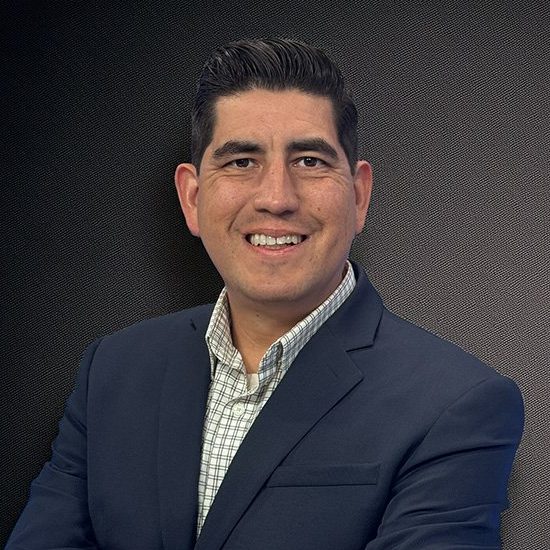
Danny Gonzales
CEO, IndustrialSage
Danny brings deep industry knowledge and an operator's mindset to every conversation, cutting through the buzzwords to uncover real strategies that manufacturing and industrial leaders can actually use.
Has manufacturing content hit saturation?
Chris Luecke says the tipping point is not volume, it is indistinguishability. He does not believe the industry has reached the point of too much content yet. In his framing, saturation arrives when artificial intelligence gets good enough that you cannot tell the difference between what a creator made and what a model made.
Chris Luecke, Founder and Host of Manufacturing Happy HourWhat is the risk of AI avatars for manufacturing leaders?
Luecke's concern is not the technology, it is the excuse it provides. He worries people will use an AI avatar as a reason to avoid putting themselves out there. His view is that avatars widen the gap between the leaders who have a voice in the industry and the leaders who do not.
Chris Luecke, Founder and Host of Manufacturing Happy HourWhere should manufacturing leaders use AI, and where should they not?
Luecke uses AI for show notes, episode titles, and generating thumbnail variants to A/B test. He draws a hard line at anything that is his actual differentiator, specifically his voice and his tour art. He also writes his own interview questions, on the logic that AI retrieves what already exists while a good question has to be new. The rule he cites is to apply AI to the things you hate.
Chris Luecke, Founder and Host of Manufacturing Happy HourWhat is the most under-reported workforce trend in manufacturing?
After running live events from central Wisconsin to California's Central Valley to Boston, Luecke found the same complaint in every market. Rural manufacturers lose people who want the city, and city manufacturers lose people priced out of it. Every region is fighting a talent issue and fighting to keep talent from leaving for somewhere else.
Chris Luecke, Founder and Host of Manufacturing Happy HourWhat does a good manufacturing culture actually look like?
Luecke offers the simplest test in the episode. Culture comes down to whether your employees spend their weekend complaining about the job to their friends, or telling those friends that things are actually pretty good right now. Your brand is what people say when you are not in the room, and culture is what your people say at the barbecue.
Chris Luecke, Founder and Host of Manufacturing Happy HourInsights from manufacturing leaders shaping the future, delivered to your inbox, no noise.
Subscribe to Industry Next
Insights from manufacturing leaders shaping the future
Thanks for subscribing
You're now part of Industry Next.
Insights, ideas, and conversations shaping the future of industry will land in your inbox.
In the meantime, check out the latest episode below.
Author: Wes Garrett
Content and Growth Marketing Producer | From Strategy to Execution, Delivering Impactful Media Solutions and Client Success