

IndustrialSage Headlines | Episode 25
Key Takeaways
- Toyota Project Orca is a proposed $2 billion assembly plant adjacent to Toyota’s San Antonio campus, filed with local authorities in 2026.
- The facility would create 2,000 direct jobs at an average salary exceeding $88,000 per year.
- Construction must begin by end of 2026; production is targeted for 2030.
- Project Orca is part of Toyota’s $10 billion, five-year US manufacturing investment plan, driven by tariff strategy.
- The Tacoma midsize pickup is the leading candidate for production at the new line, reshoring the truck from Mexico and Japan.
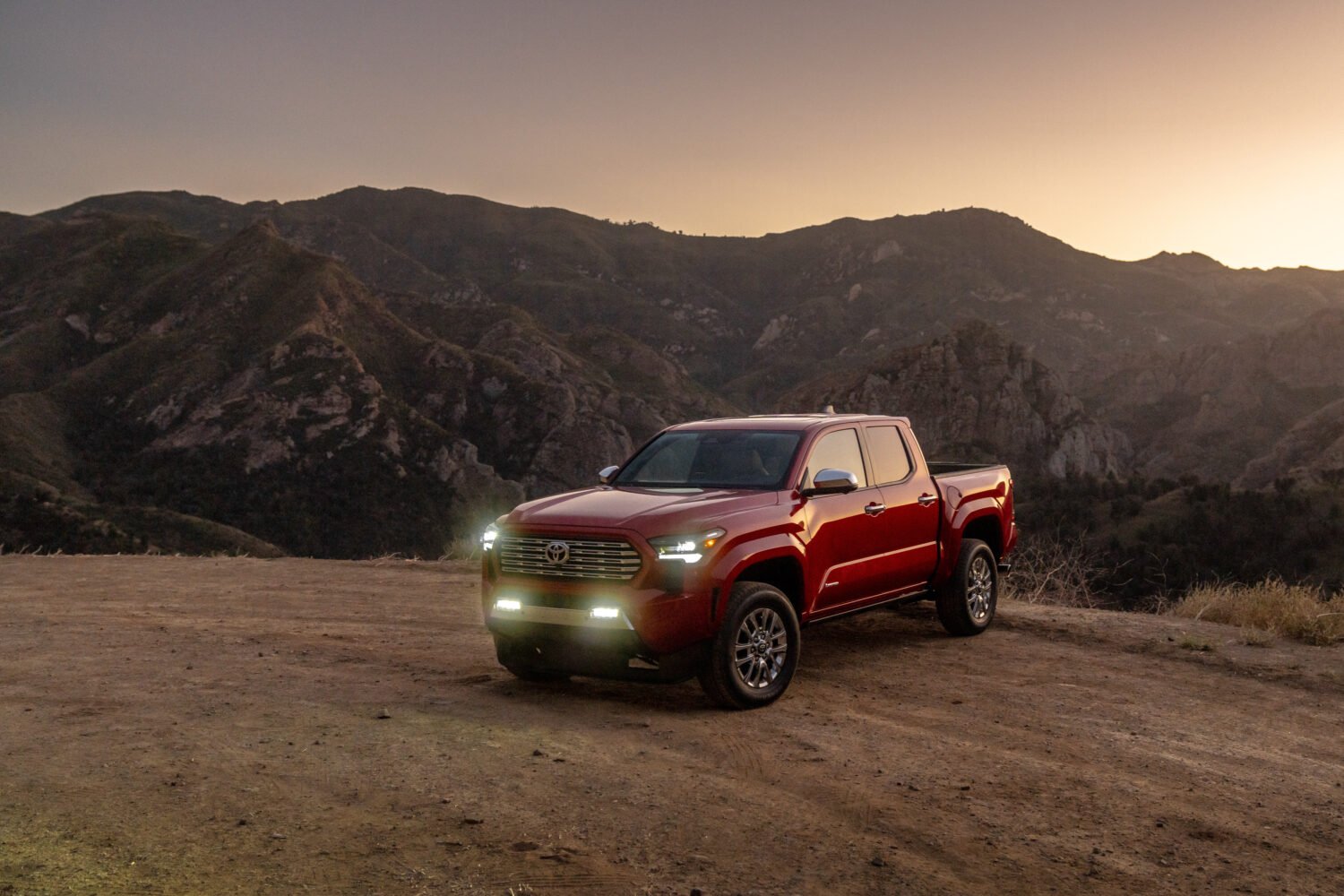
Toyota Project Orca is a proposed $2 billion vehicle assembly plant that would sit adjacent to the automaker’s existing manufacturing campus in San Antonio, Texas. The new facility would add a complete vehicle assembly line to Toyota’s Texas footprint, create thousands of skilled manufacturing jobs, and could bring Tacoma production back to the United States. Toyota has not confirmed a vehicle assignment for the new line, but the Tacoma is widely regarded as the most likely candidate, per Automotive News. The midsize truck is the best-selling in its segment in America and currently assembled in Mexico and Japan.
Toyota Project Orca: Investment Breakdown and Timeline
The $2 billion total breaks down into $1.05 billion for buildings and property improvements and $950 million in machinery and equipment. The new facility would sit adjacent to Toyota’s existing San Antonio plant, which currently assembles the Tundra full-size pickup and the Sequoia SUV.
| Investment Category | Amount |
|---|---|
| Buildings and property improvements | $1.05 billion |
| Machinery and equipment | $950 million |
| Total investment | $2 billion |
| Direct jobs created | 2,000 |
| Average annual salary | $88,000+ |
| Target production start | 2030 |
Construction must begin by the end of 2026. That timeline gives Toyota roughly three to four years to build out the facility before the 2030 production target.
Tariff Strategy and Reshoring Momentum
Toyota Project Orca is part of a broader strategic commitment. Specifically, Toyota announced last year a plan to invest up to $10 billion in US manufacturing over five years, tied directly to the 15% tariff applied to vehicles and parts imported from Japan. Building more vehicles domestically reduces Toyota’s tariff exposure. It also positions the company favorably with US policymakers who are tracking reshoring activity from global automakers.
Furthermore, Project Orca is part of a broader wave of automotive manufacturing announcements across the US South and Midwest. OEMs are recalibrating production geography in response to trade policy shifts, evolving EV timelines, and long-term labor cost dynamics.
What a $2 Billion Plant Means for the Regional Economy
Vehicle assembly plants generate economic activity well beyond their direct headcount. A facility of this scale typically anchors a supplier network of tier-1 and tier-2 manufacturers that co-locate nearby to meet just-in-time delivery requirements. San Antonio already has a mature automotive supply ecosystem built around the existing Toyota campus. As a result, Toyota Project Orca would deepen that industrial concentration significantly.
At an average salary exceeding $88,000 per year, the 2,000 direct jobs represent well above the local median wage. In addition, the ripple effect through the regional supply chain could multiply that economic impact several times over.
More Manufacturing Coverage from IndustrialSage Headlines
Toyota Project Orca is one of five major manufacturing stories in IndustrialSage Headlines Episode 25, which also covers IBM’s quantum foundry announcement, Lockheed Martin’s THAAD production ramp, H-E-B’s $700 million supply chain expansion, and Hanmi Semiconductor’s US market entry.

Author: Wes Garrett
Content and Growth Marketing Producer | From Strategy to Execution, Delivering Impactful Media Solutions and Client Success


